Listen closely, because if you’re a Managed Service Provider (MSP) struggling to get your marketing machine firing on all cylinders, this post is for you. If you’re tired of throwing money at ads, sending out emails, and trying every new tactic without seeing real results, then let me cut to the chase: you need a marketing engine—and that’s where Tim Fitzpatrick comes in.
Tim’s been around the block. He’s the real deal when it comes to helping businesses get a marketing system in place that actually works. It’s not about gimmicks, hacks, or the latest fad. It’s about building a real engine that produces reliable, repeatable results.
Here’s the step-by-step breakdown that you can follow to transform your marketing and start attracting, converting, and retaining your ideal clients.
1. Strategy First: Laying the Foundation
When it comes to marketing, strategy is the fuel for your marketing engine. Tim emphasizes that many MSPs jump straight into tactics like running ads or creating content without establishing a solid strategy first. This is a major mistake. Without a clear strategy, all the tactics in the world won’t get you far.
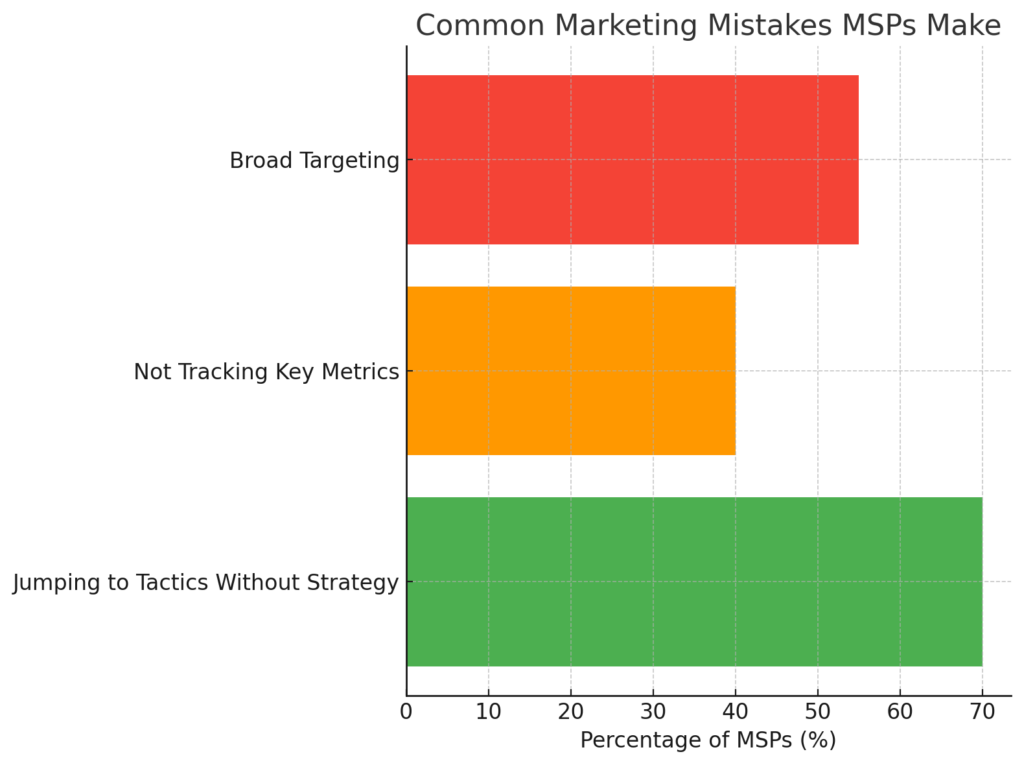
The first part of your strategy should focus on identifying your target market. As Tim explains, understanding who your ideal clients are is fundamental to everything you do. Ask yourself:
- Who are you currently working with?
- Who do you enjoy serving the most?
- Who are the clients that are profitable and offer the best results?
By answering these questions, you can start to identify the type of clients you want to target in your marketing. Focus on a specific niche, whether that’s a particular industry or business size. Specializing will make it easier to create compelling messaging that resonates with your audience and differentiates you from competitors.
2. MSP Messaging: Speak to Your Clients' Needs
Once you’ve identified your target market, the next step is crafting a message that speaks directly to their needs and problems. According to Tim, your messaging should focus on the problems your clients want to avoid and the results they want to achieve. Many MSPs fall into the trap of focusing too much on technical jargon that their clients don’t care about.
Instead, communicate how your services help solve their challenges in ways that directly support their business objectives. For example, instead of simply saying you provide "fast IT support," Tim suggests thinking about how your service helps businesses achieve their goals more efficiently.
A real-world example Tim shares is a roofing company that differentiated itself by promising to “treat your home like it’s our own.” This simple message stood out among the generic “best roofer” claims on competitors' websites. Similarly, MSPs should focus on messaging that clearly communicates how their services improve clients’ operations.
3. Position Your MSP Services to Sell
Now, let’s talk about how you’re packaging your services. How are you presenting what you do? Are you structuring your services in a way that aligns with what your ideal clients want to buy?
Tim nails it when he says, “You need to make sure your services are structured in a way that your clients want to buy them.”
For many MSPs, services are packaged in a way that isn’t appealing to their clients. For example, you might be pricing your services per seat, but does your client actually want that? Or are your contracts too long? The shorter the commitment, the more likely your prospects are to buy.
Stop thinking of your services as commodities. Position them as solutions to your client’s real problems. If you can do this, you’ll start standing out in a crowded market.
4. Planning: Putting the Pieces Together
Once your strategy and messaging are in place, it’s time to move into the planning phase. This is where most MSPs jump too quickly, according to Tim. While it’s important to execute, without a proper strategy, your tactics can quickly go off course.
The planning stage involves deciding on your marketing tactics, such as lead generation, lead conversion, and retention/referral strategies. For example, Tim recommends that MSPs consider retention tactics like quarterly business reviews (QBRs) to stay in front of clients, communicate your value, and reinforce your strategic partnership.
5. Metrics and KPIs: Track What Matters
Finally, Tim emphasizes the importance of tracking key performance indicators (KPIs). While there are countless metrics in marketing, there are three core KPIs that every MSP should track:
- Leads generated: Understand where your leads are coming from.
- New clients: Track how many of your leads convert into paying clients.
- Cost per lead and lifetime value of a client: This metric is especially important for MSPs, as many businesses overlook the high lifetime value that an MSP client offers.
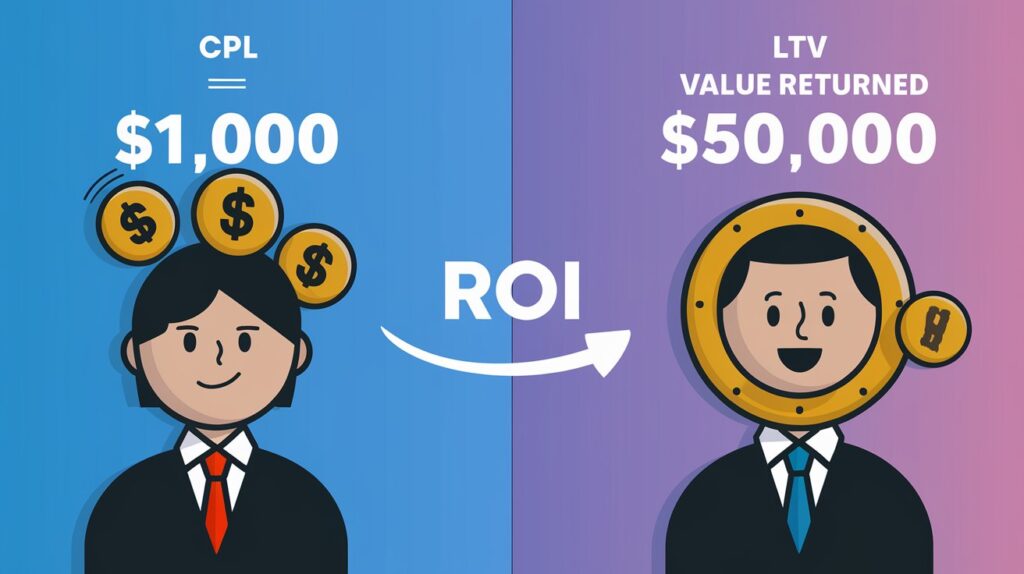
Tracking these metrics will give you valuable insights into how well your marketing efforts are performing and help you adjust strategies as necessary.
6. Execution and Optimization: Keep Tweaking
Once the strategy, planning, and metrics are in place, the final step is execution. It’s essential to keep testing and optimizing your efforts. Whether you’re running paid ads, creating content, or conducting email campaigns, Tim suggests always optimizing your tactics based on data and performance.
Just like a race car, your marketing engine needs continuous tuning. Tim stresses that marketing is a process of constant testing. It’s not about finding a single ad or campaign that works—it’s about refining and improving over time.
7. The Role of a vCMO: Take Your Marketing to the Next Level
If you’re serious about scaling your MSP, it might be time to consider working with a fractional CMO (Chief Marketing Officer). A vCMO is the strategic partner that will help you align your marketing efforts with your business goals and keep everything running smoothly.
A vCMO can help you:
- Craft a strategic marketing plan
- Ensure your marketing tactics are aligned with your business goals
- Oversee the execution and optimization of your marketing efforts
By having a vCMO in place, you’ll avoid the common mistakes MSPs make when they try to do everything themselves. And when you have someone with a proven track record leading your marketing, you’ll see faster results.
Final Thoughts
Here’s the hard truth: Building a marketing engine isn’t easy, but it’s essential if you want your MSP business to thrive. Stop relying on short-term gimmicks and start building something that’s sustainable. A marketing engine that works is the key to consistent, repeatable growth.
As Tim Fitzpatrick says: “If you want to build a consistent, repeatable business, you have to have a marketing engine.”
If you're ready to put in the work and build a marketing engine that drives real results, then now’s the time to start. Don’t wait for the next shiny tactic—start with a solid strategy, focus on your ideal clients, and make every move count.
By taking action now and following these principles, you’ll have the marketing engine that not only survives in this competitive landscape but thrives.